

ESA Mandate and Scientific Purpose of the Mission
The European Space Agency’s (ESA) FLEX (Fluorescence Explorer) mission was designed to measure vegetation fluorescence across Earth’s land surface.
The video from mission:
https://earth.esa.int/web/guest/missions/esa-future-missions/flex
This fluorescence originates during photosynthesis and serves as an indicator of the
conversion of carbon dioxide and solar radiation into carbohydrates, enabling the monitoring of
plant physiological health and stress caused by drought or disease well before visible changes
appear on leaves. The primary payload instrument is the FLORIS (Fluorescence Imaging Spectrometer)
spectrometer, operating within the spectral range of 500–780 nm. The instrument achieves a spectral
sampling of 0.1 nm in the oxygen O2-A (759–769 nm) and O2-B (686–697 nm) bands, and 2.0 nm in the
chlorophyll absorption band (600–677 nm) and the Photochemical Reflectance Index (PRI) band (500–6
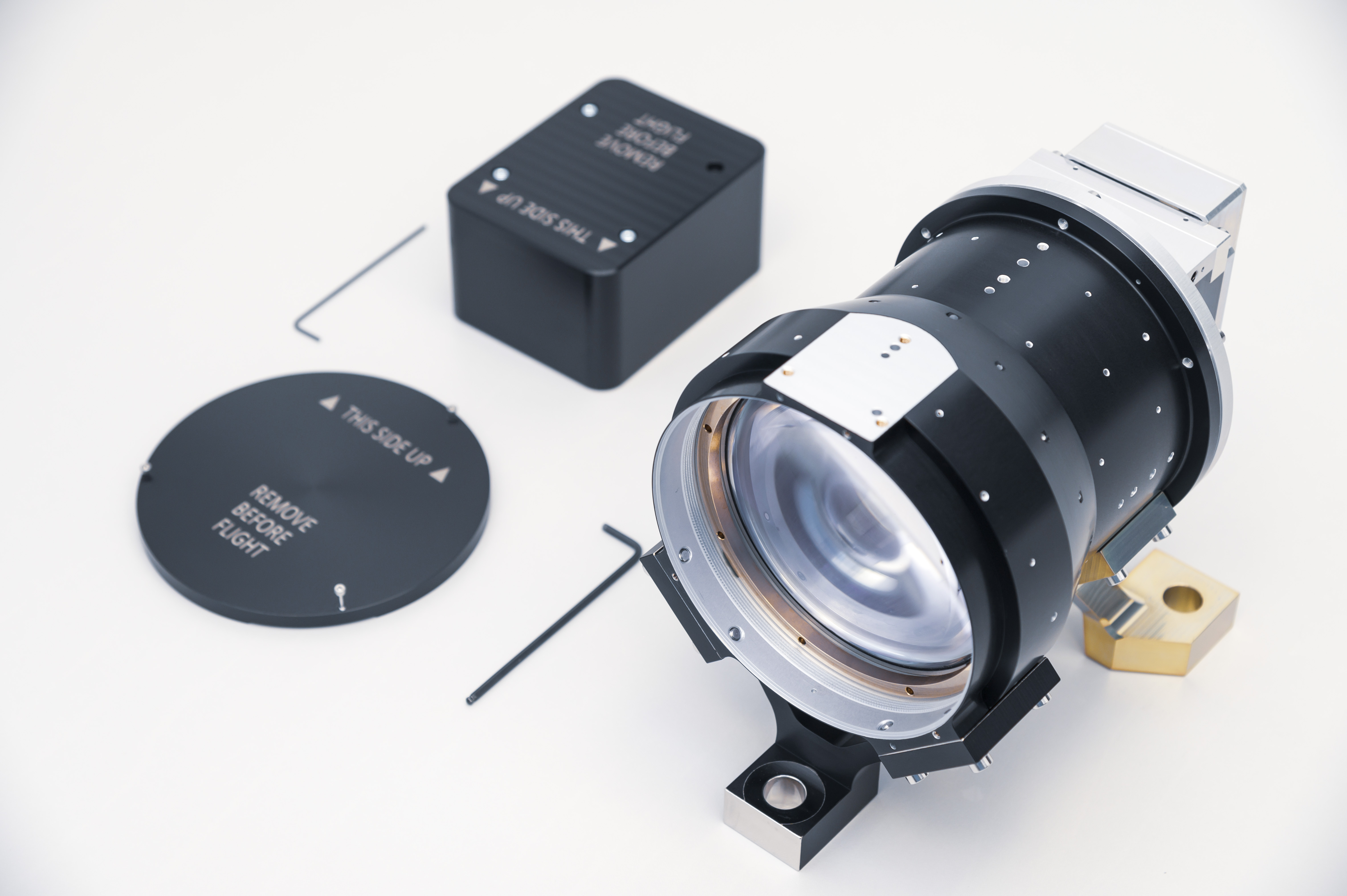
00 nm). The optical signal is directed into the spectrometer by a five-lens telecentric telescope
with an optical clear aperture of approximately 100 mm and a focal ratio of f/3.3, developed and
manufactured by the TOPTEC research center of the Institute of Plasma Physics of the Czech Academy
of Sciences (IPP CAS).
Contractual Framework and Consortium
The procurement contractual framework on the ESAstar portal for the FLEX mission comprised
two primary branches. The first branch was the satellite platform construction contract awarded in
January 2019 to Thales Alenia Space, valued at approximately €150 million, covering platform
design, satellite manufacturing, integration, and launch preparation. The second branch was the
contract for the FLORIS payload instrument, awarded in November 2016 to Italian firm Leonardo,
valued at approximately €74 million. The winning industrial consortium consisted of Thales Alenia
Space as prime satellite contractor and integration coordinator; Leonardo as prime contractor for
the FLORIS instrument; Beyond Gravity responsible for the primary structure and thermal control
system; Micos Engineering in charge of the design and implementation of the optomechanical module;
TOPTEC (Institute of Plasma Physics of the CAS) providing telescope design, fabrication, bonding,
and calibration; and Telespazio managing ground segment operations and data processing.
Manufacturing Challenges and Technical Hurdles
The telescope optics required a lens surface figure accuracy better than /20 RMS and a
surface microroughness below 0.3 nm. Several engineering hurdles were resolved during
manufacturing. Calcium fluoride (CaF2) lenses suffered surface figure distortion following a
four-hour annealing process at 350 °C, which was required to remove color centers induced by ion
bombardment during optical coating. The distortion was attributed to crystal lattice creep and
surface chemical alterations caused by aqueous slurry polishing. This issue was resolved by
introducing a vacuum drying step at 180 °C prior to protective cap layer deposition. To suppress
stray light, the mechanical lens mounts received an Acktar Fractal Black coating, achieving
reflectivity below 3% across the 400–800 nm spectral range. Lens positioning precision demanded an
alignment tolerance tighter than 0.8 µm. Lens retention within the mounts was secured via
non-structural encapsulation using DowSil 93-500, protecting the fragile optics from launch
vibrations.
Testing and Quality Verification
Compliance with ESA-mandated specifications was verified using specialized metrological
equipment and methods. Mechanical component dimensions were measured with sub-micrometer precision
using a Mitutoyo LEGEX 774 3D coordinate measuring machine (CMM). Lens mounting alignment within
the cells was verified using a Trioptics OptiCentric 100 DualHead optical measurement system.
Wavefront error (WFE) measurements were conducted using a ZYGO Dynafiz Fizeau interferometer
equipped with a precision positioning mount, with internal lens misalignments reconstructed from
wavefront maps via Zernike polynomial decomposition implemented in MATLAB and Zemax. System
robustness was validated through dynamic testing on a vibration shaker and cycling within a
thermal-vacuum chamber.
Current Project Status and In-Orbit Operation
The FLEX satellite was successfully launched on September 15, 2026, aboard a Vega-C rocket
(flight VV30) from the European Spaceport in Kourou, French Guiana. The spacecraft achieved a polar
orbit at an altitude of approximately 814 km and is executing maneuvers to maintain a tight tandem
formation flight behind the Sentinel-3A satellite with a temporal separation of 6 to 15 seconds.
From mid-September to mid-December 2026, the commissioning and calibration phase (designated Phase
E1) is underway, managed by the European Space Operations Centre (ESOC) in Darmstadt. As of October
2026, the TOPTEC telescope is fully operational, having survived launch vibrations, and is actively
collecting optical signals. The FLORIS spectrometer is currently undergoing optical path
calibration across its resolution channels. The dual-slit assembly and mirrors supplied by
Fraunhofer IOF are fully functional. Photovoltaic solar arrays from SpaceTech are generating
approximately 950 W of electrical power, and the Thales Alenia Space propulsion system is executing
orbit maintenance maneuvers. Following the completion of calibration in December 2026, the
satellite will transition into its nominal science operations phase planned for 3.5 years, with
data processing managed by the ESRIN facility in Italy.
See video here:
https://www.esa.int/ESA_Multimedia/Videos/2026/09/ESA_s_FLEX_mission_reveals_the_secret_glow_of_plants
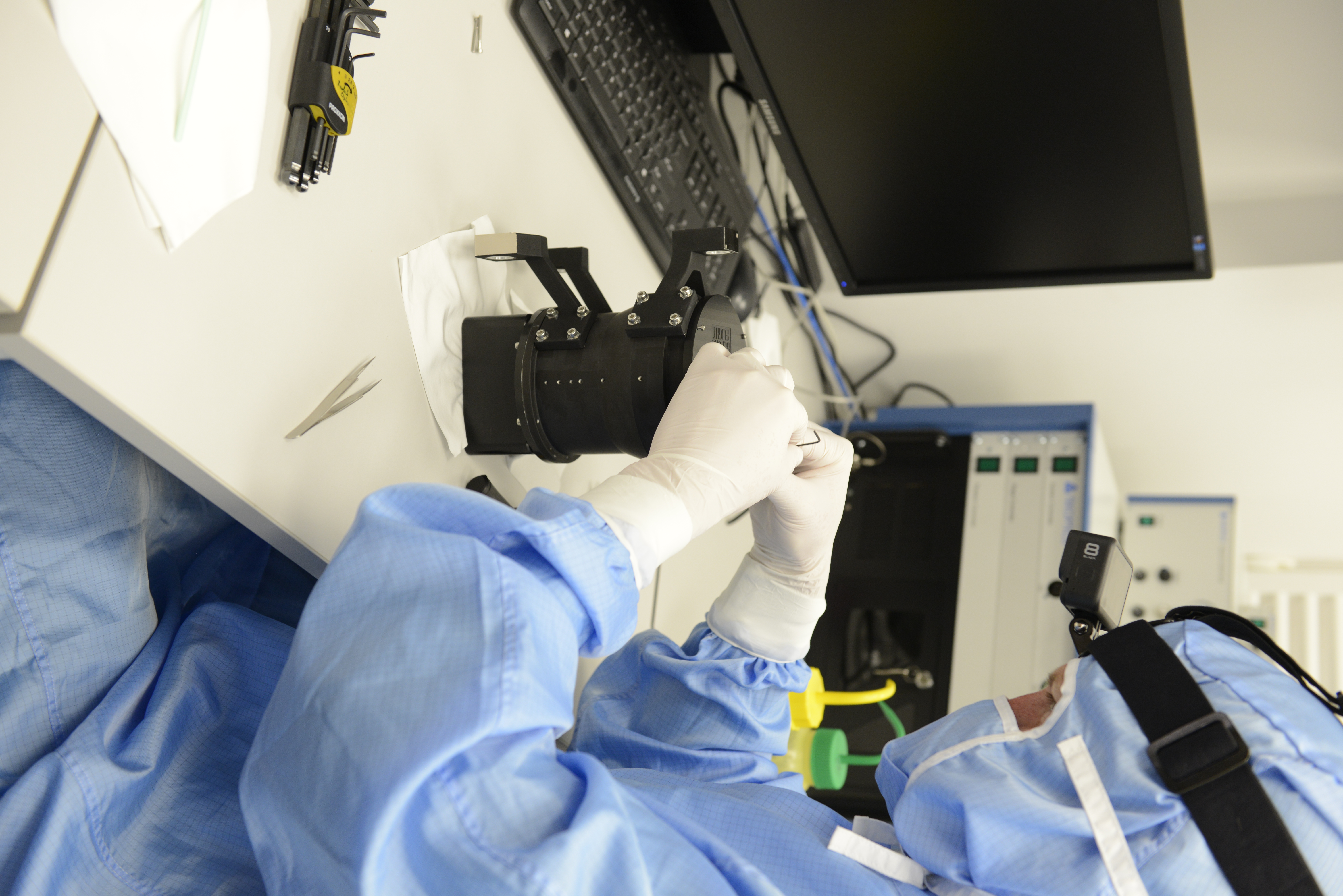

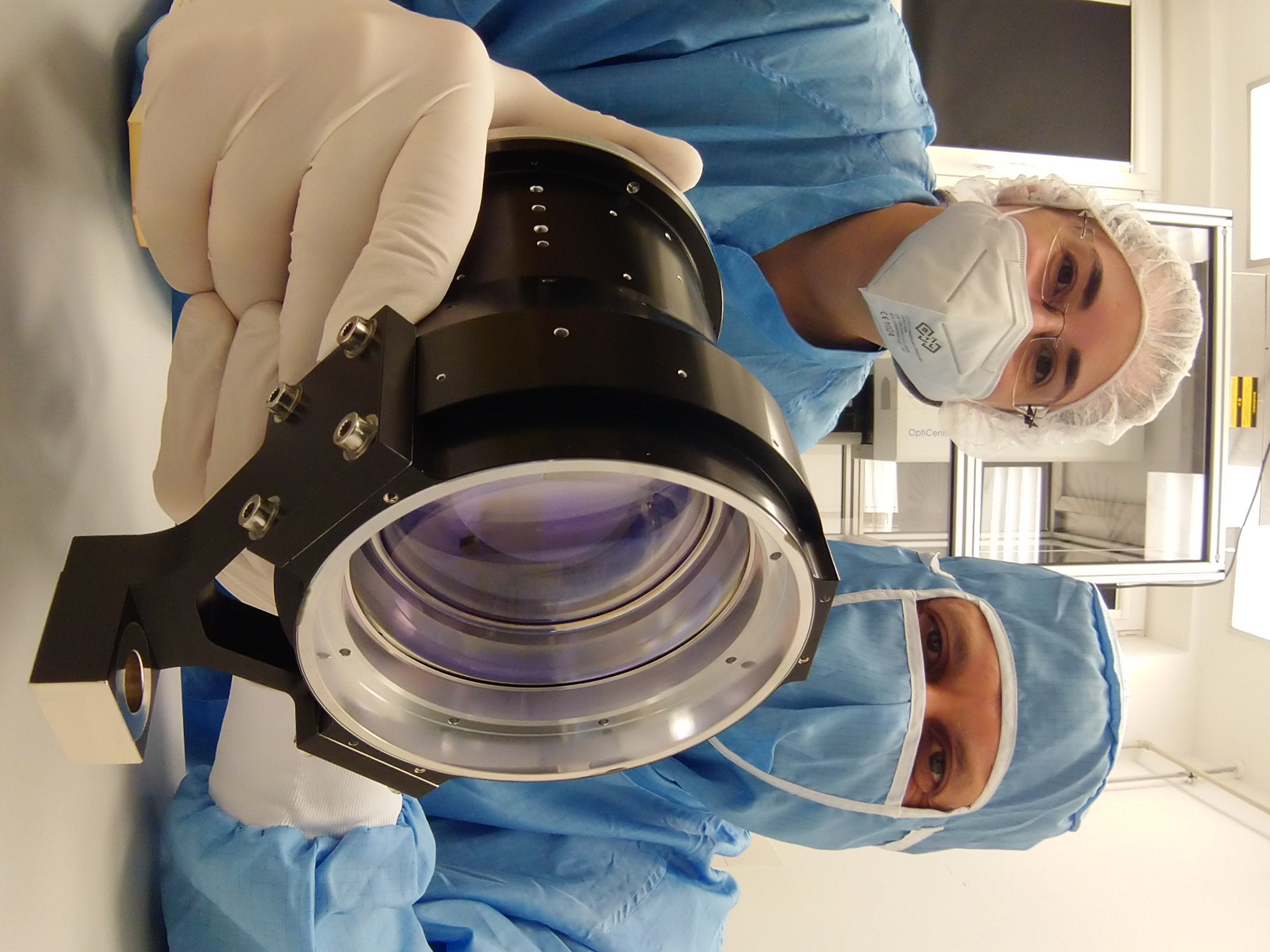


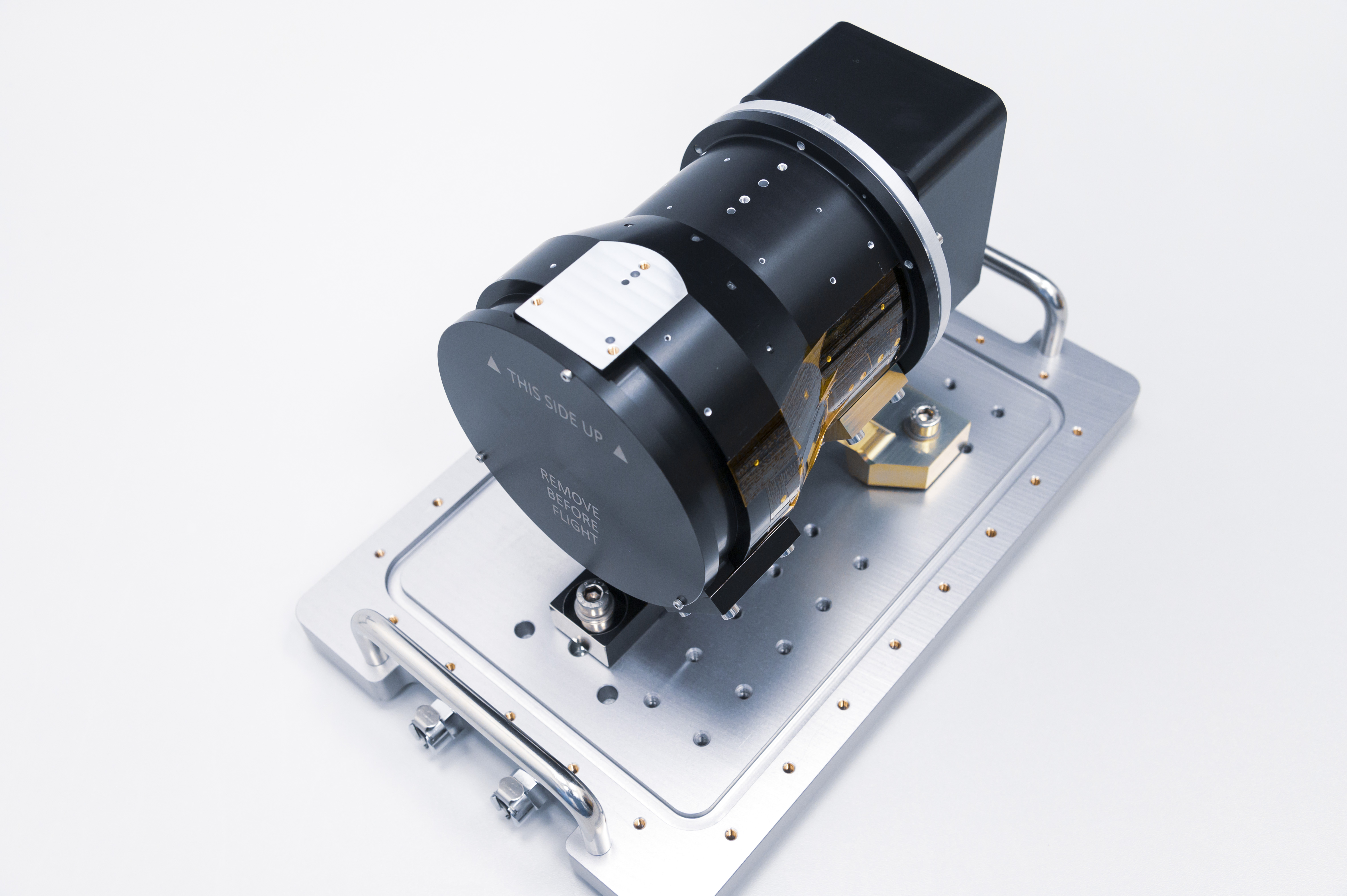

Photo: IPP - TOPTEC.
12 Oct 2026


