

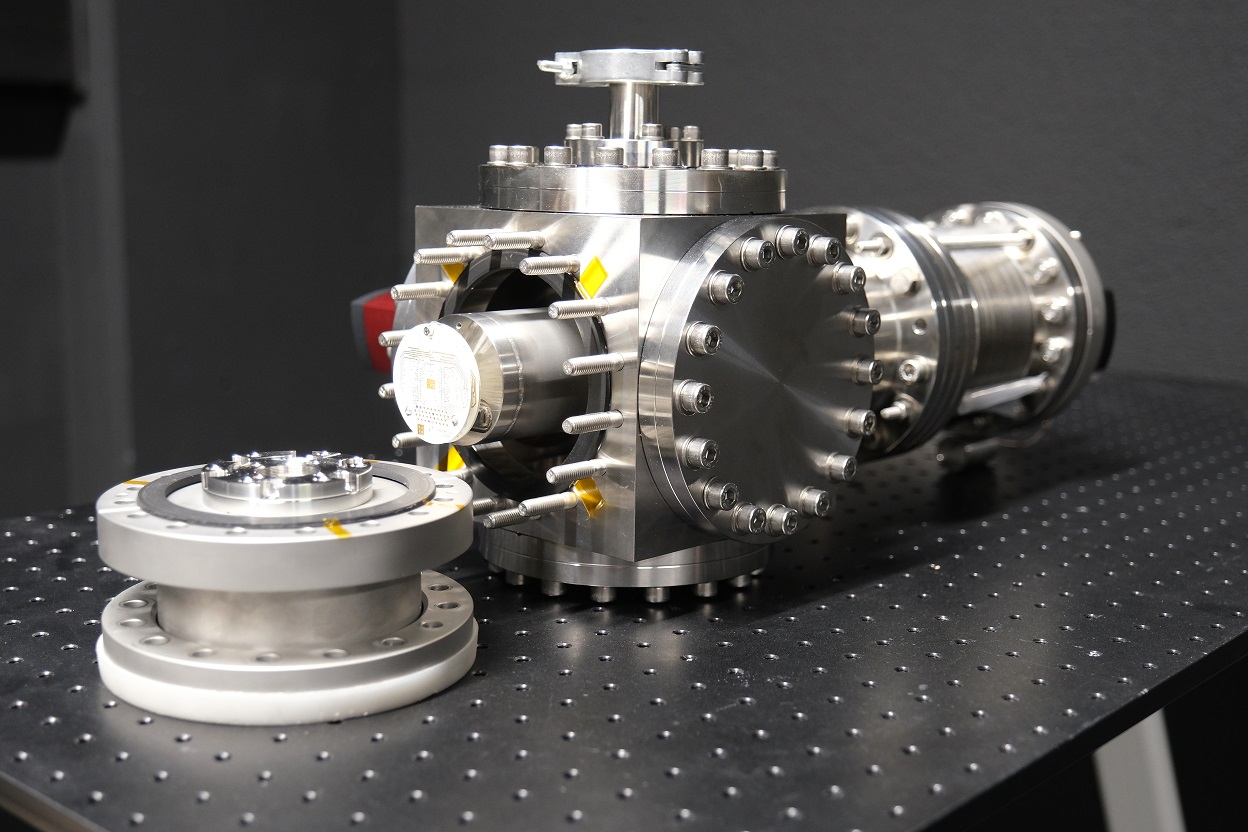
Scientists from IPP in cooperation with the Faculty of Nuclear and Physical Engineering of the Czech Technical University in Prague, with the support of the Technology Agency of the Czech Republic, have developed a unique diagnostic camera FASXCAM, designed for measuring the presence of undesired impurities in scientific experiments focused on nuclear fusion research.
To achieve thermonuclear fusion in hot plasma, it is necessary to achieve extreme conditions
where the plasma temperature reaches tens of millions of degrees, and thus the implementation of
reliable and accurate measurements is a big challenge. Conventional camera detectors in such an
environment often fail due to strong electromagnetic interference or radiation. However, Czech
scientists designed the newly developed device to be radiation-resistant and sufficiently
noise-free, which allows it to monitor soft X-rays emitted from hot plasma at a speed of up to
fifteen thousand frames per second. Another advantage of the detector is that each of the 4096
pixels represents a spectrometer that can measure the energy of the incident radiation. For
example, it allows you to detect the presence of impurities in the center of the hot plasma, such
as tungsten, which can be released from the reactor walls and subsequently cools the plasma by
radiation and thus worsens the tokamak discharge stability.
The design of the camera had to solve several engineering challenges. The specially developed
silicon chip must operate in a high vacuum that does not attenuate soft X-ray radiation, but at the
same time must not overheat neither by its own waste heat nor by radiation from warmer surrounding
surfaces when cleaning the vacuum chamber by baking. In order for the electronics to survive
intense neutron and gamma radiation fluxes, key digital circuits in the chip were doubled or
tripled. Data can also be transferred to the readout electronics using optical fibers, which
eliminates the risk of electromagnetic interference and allows it to be placed far beyond the
radiation shielding of the experiment.
Detailed development results were published in the prestigious journal Plasma Physics and
Controlled Fusion. The FASXCAM camera will be used in the COMPASS Upgrade tokamak currently under
construction in Prague, but its use in other similar facilities in Europe is also being considered.
This success shows the strength of Czech science in developing technologies for environmentally
acceptable and safe energy of the future.
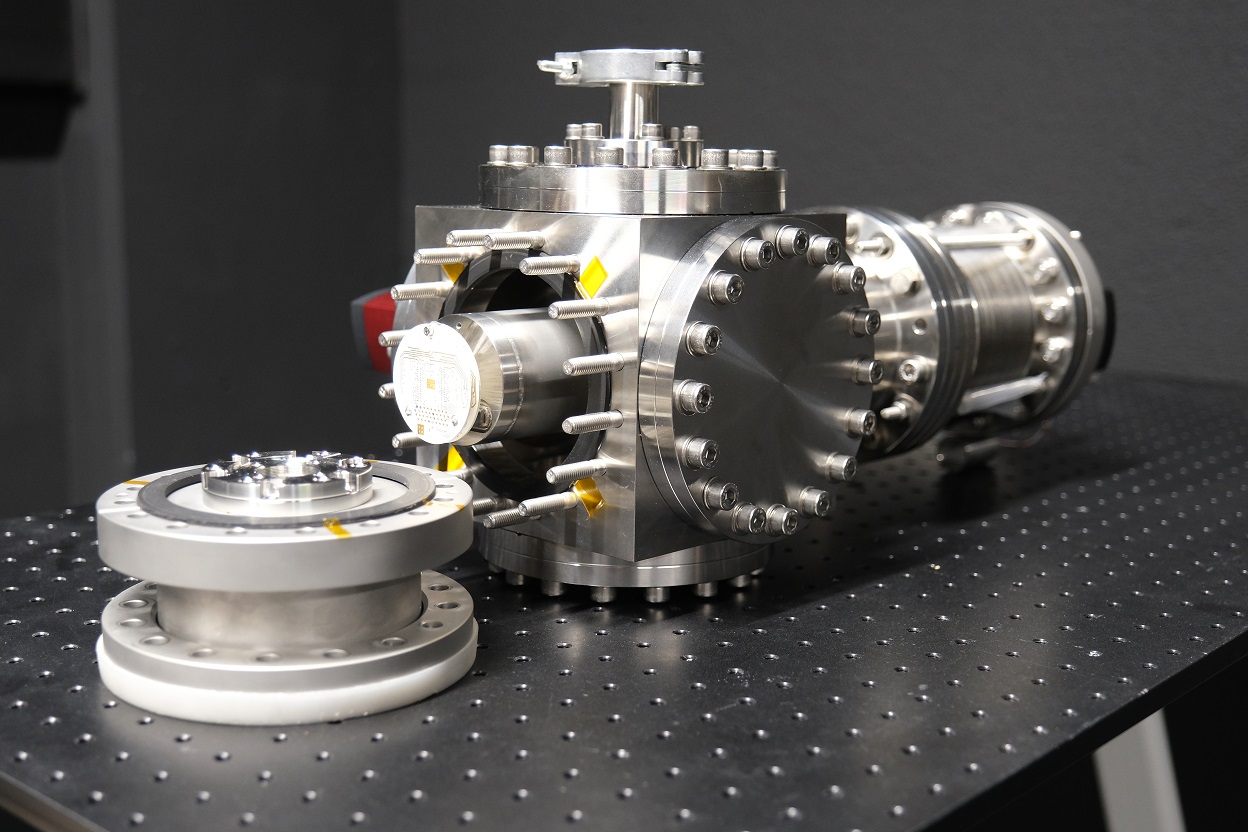
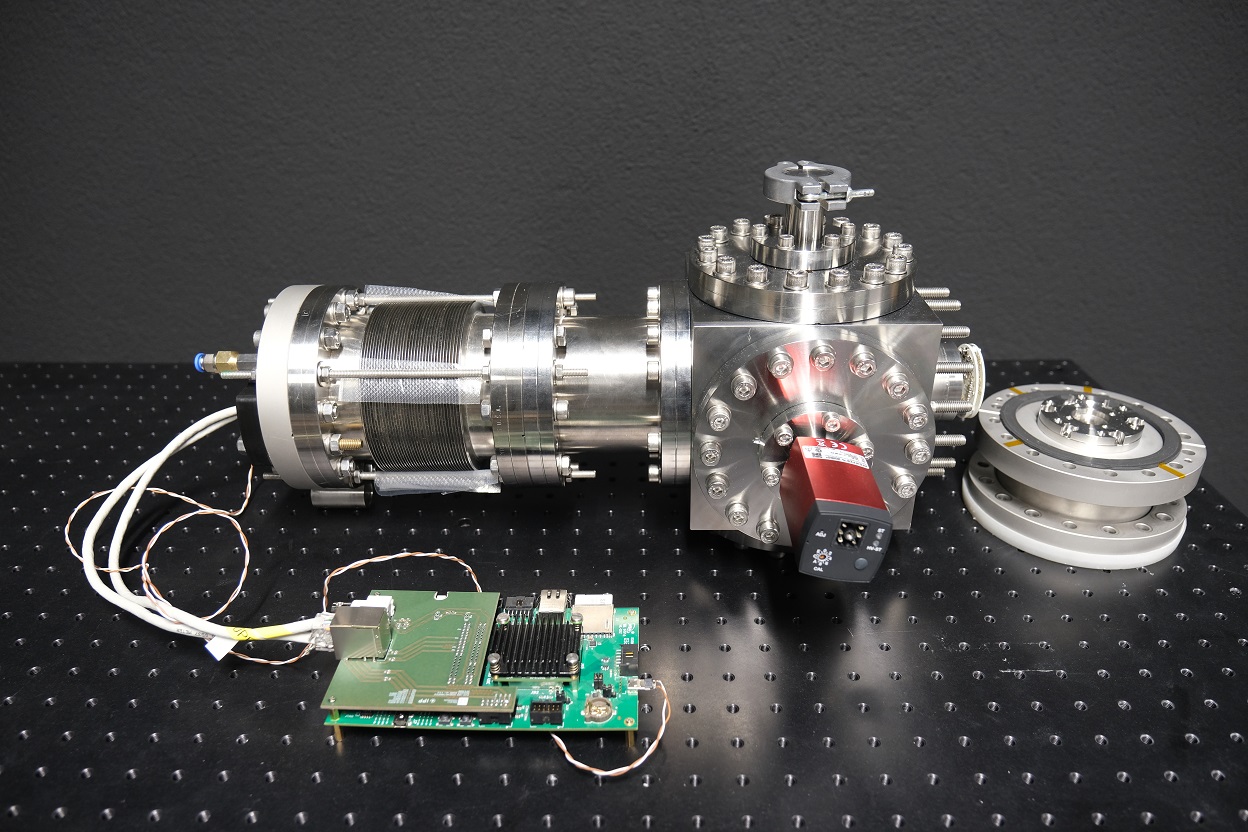
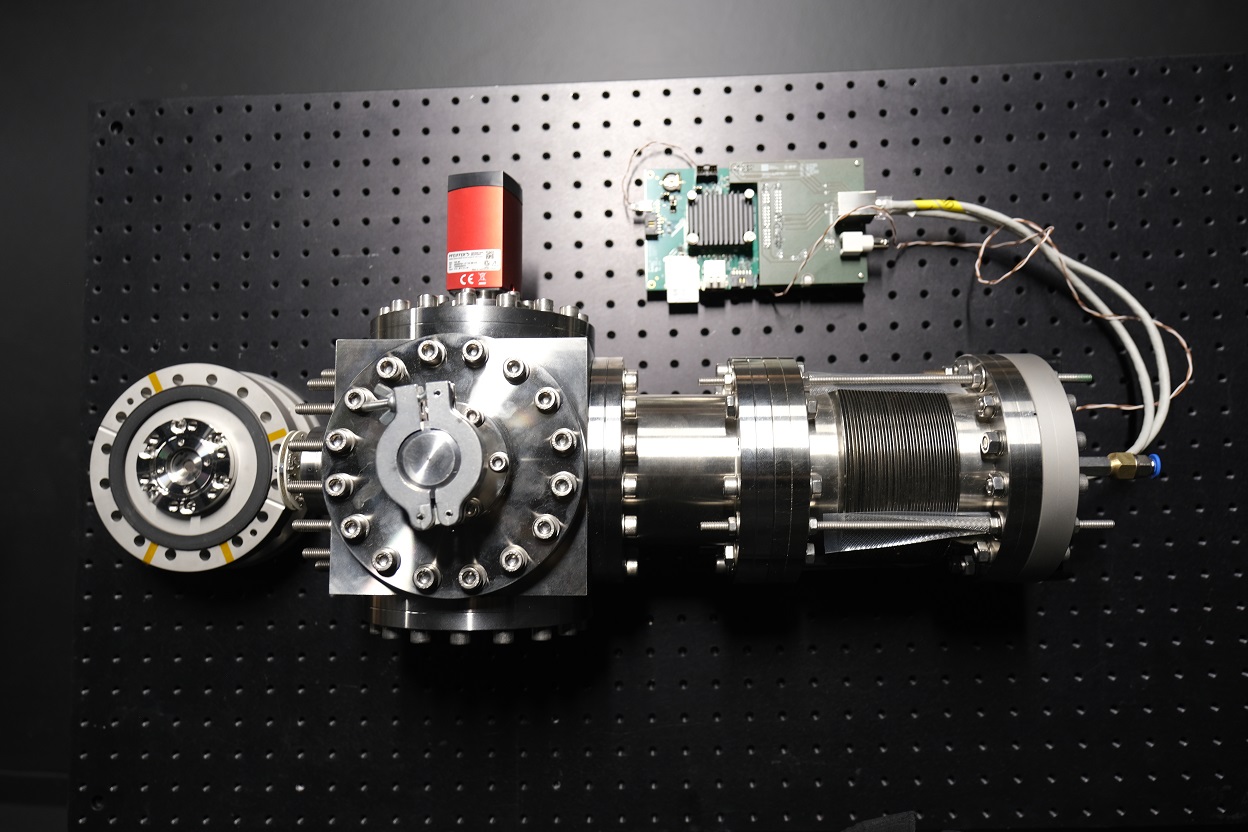

Photo: IPP.
16 Jun 2026


